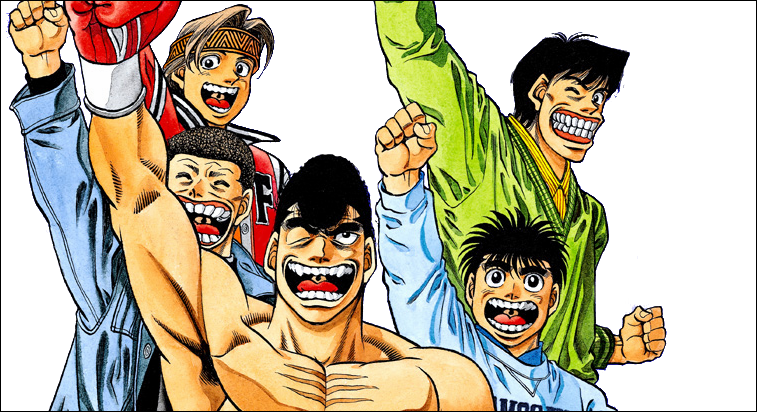
One of the most common way of getting such a confrontation going is letting some poor sod get into trouble every week and our team of heroes find a way to help them. Beyond cop shows that almost automatically fall into this setup (besides some excellent exceptions like The Shield and The Wire), there are several shows that all involve a variation of this idea that probably started with 80s shows like Knight Rider.

(David approves of this thread)
Contemporary examples include Burn Notice or Person of Interest, but many shows run on this setup to some extent. The problems start when shows start trying to tell more interesting stories or add twists to the formula to make separate itself from the likes of CSI or Law and Order.
In this day and age, writers try to incorporate a little more nuance and depth into their stories and characters but when it comes to network tv shows, these ambitions seem to run into an invisible wall somewhere. Whenever a character is supposed to be morally ambiguous or shady so that we don't know wether he is working with or against the heroes, i like to make one simple check: Is he/she willing to do whatever it takes to achieve his goals? If not - Good guy! This character may turn out to be morally challenged, but it is always because of circumstances beyond his control etc. and at the end of the episode, his moral compass will point straight to Lawful Good or at least Chaotic Good on the D&D alignment charts.

(This has more nuance than network tv...)
It's nice to see shows starting to distance themselves from this, but very few manage to pull this off. A good example would be Root from Person of Interest. She is a female hacker that is introduced like a future enemy of the team, plotting against them and finally kidnapping one of the heroes. Although we are meant to be afraid of her, from that moment onward we don't see her kill innocent people anymore which immediatly made it clear that she would become at least an ally of the good guys.


(chaotic good)
Rare is the show that lets good guys cross the line to bad guys and even if it is done, Characters usually get a backstory that makes it clear that they were the bad guys the whole time. The most prominent example of this would be Ward from Agents of Shield that is outed as a Hydra double agent at the end of the first season and then goes on and tries to kill several of his old team members, although he is clearly split in his loyalties.
This is great storytelling and the characters gain a lot of depth from the developments. This makes any future meetings and interactions interesting and filled with potential for conflict that arises from the characters common backstory. One can only hope that Tony Starks fall into Darkness for the upcoming Civil War movie will be convincing or if Marvel will be too afraid to make Tony act truly evil.
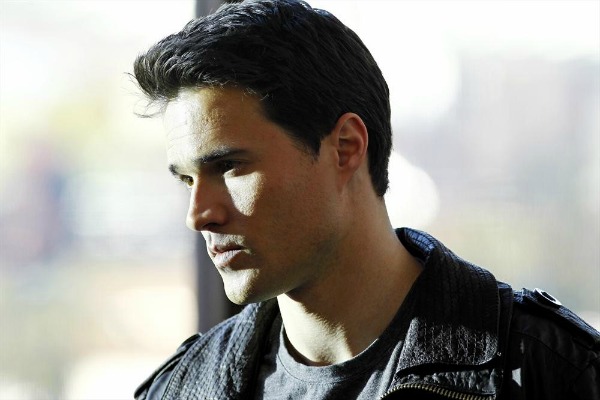
(lawful evil)
There is a reason for this kind of limit in how grey characters can get in tv show narratives. A clear good guy/bad guy distinction makes building narratives easier and the viewer can identify with the heroes (or at least look up to them). It also fits well with action or adventure themes in many shows, but it can become an dead weight on some shows that try to be more than standard network television.
One can hope that the success of shows like Breaking Bad, Sons of Anarchy and House of Cards will help push the notion that murky moral waters are also worth visiting.